“Parents are making serious mistakes that harm children calling it civilization” – Father Uwingabire

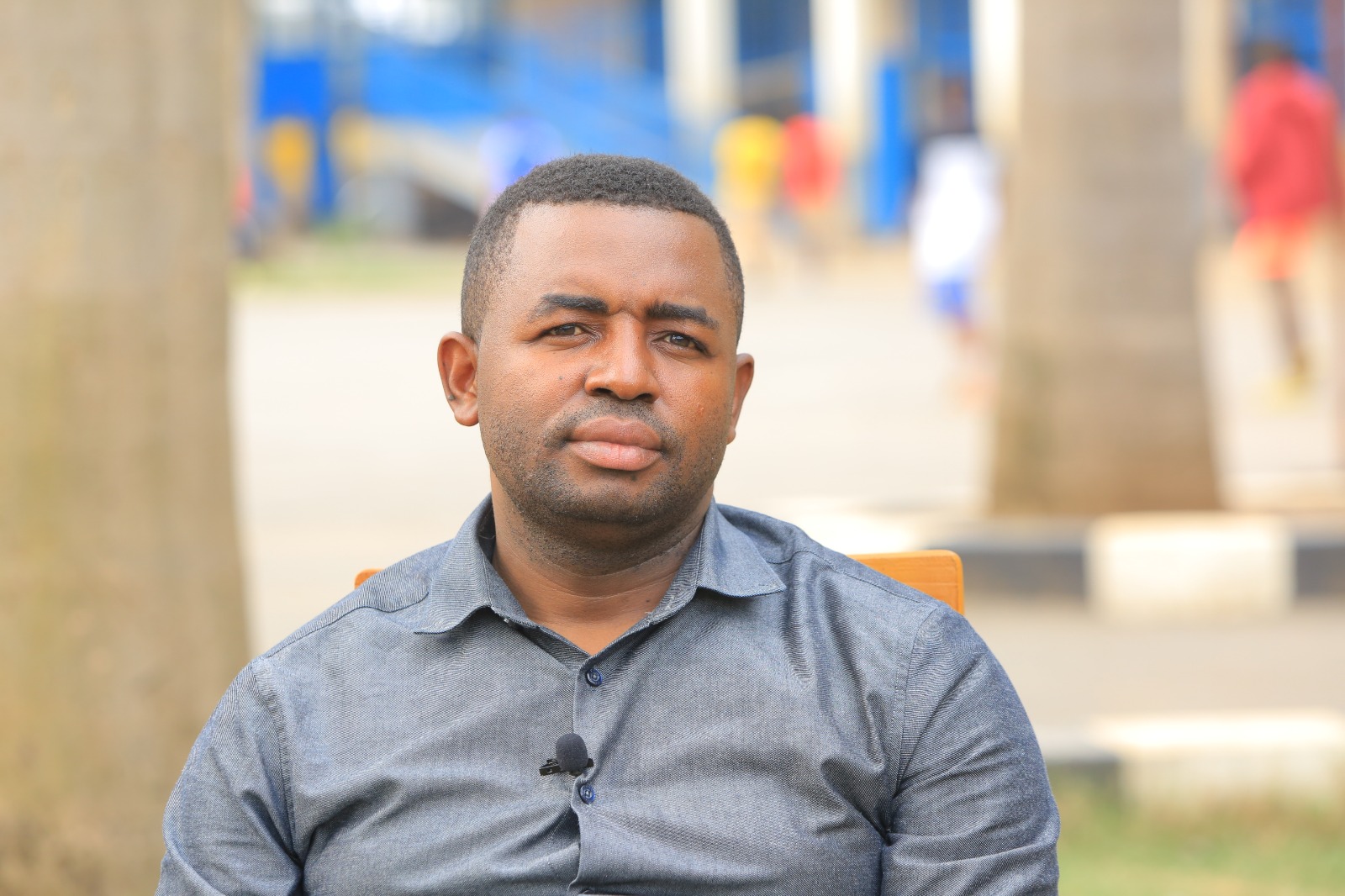
Father Emmanuel Uwingabire, the head of one of the leading schools in Rusizi District, has stated that enrolling children in school at a very young age is one of the major mistakes parents make, mistakenly calling it modernity, while in reality it harms their children.
Compared to previous years, today many parents take pride in enrolling their children in school at a very early age, believing they are preparing them to become successful and responsible individuals in the future.
However, when you speak with parents about their children’s academic performance, they often say that the child started school performing well, but as they progressed to higher grades, their performance declined.
Father Uwingabire, the head of GS St Muko, explains that this decline in academic performance is caused by enrolling children before they are developped mentally ready for school.
He says, “From as young as two years old, a child is told it is time to line up to go to the toilet, and all the children stand in a queue. That child is already being subjected to rules, yet their brain is not ready to process and adapt to such regulations.”
He explains that children at that age still need the freedom to play freely, get dirty, and explore, as these activities are essential for brain development.
However, once in school, when they make mistakes, they are punished—even though they actually need opportunities to experiment, break things, and explore as part of learning and discovery.
A child who starts school too early may eventually experience a slowdown in cognitive processing ability. Father Uwingabire states that at the school he leads, they do not admit children who are below the officially recommended school-entry age. He adds that sometimes parents treat children like a burden, enrolling them in school as if they are offloading responsibility, instead of nurturing them at home. This, he says, negatively affects the child, who may be capable of memorizing content but not developmentally ready to grasp what is being taught.
Being exposed to overly demanding tasks at a young age can cause children to become mentally exhausted and discouraged.
He explains that the academic decline of children who started school too early often becomes noticeable around Primary Three and worsens by Primary Six. At that point, parents may start labeling the child as unintelligent, even though they themselves are responsible.
He compares it to asking a five-year-old child to carry 100 kilograms—overburdening their brain too early causes emotional distress. When they see classmates who once performed below them now surpassing them, they may feel ashamed, withdraw socially, and lose confidence. Parents may even tell visitors that their child has failed, without realizing that the mistake was their own—loving the idea of prestige more than loving their child’s well-being.
Advice to Parents
Father Uwingabire emphasizes that parents should not rush to send their children to school before they reach the appropriate age. Doing so denies children their developmental rights and slows their natural growth.
He says, “You deny that child their rights and hinder them because you prevent them from discovering and using their creativity. You place them in the teacher’s hands when they still need to be in their parent’s hands. Parents should stop making these mistakes in the name of civilization. Give children time—school is a place governed by rules, but that is not what a child aged one to three needs.”
What Parents Should Do
Parents are advised to avoid enrolling children in primary school before the age of six. They should also build children’s confidence, especially if they were enrolled early and begin struggling academically, so as to prevent feelings of inferiority.
According to Law No. 23/2012 of 15/06/2012 governing the organization and functioning of nursery, primary, and secondary schools in Rwanda, Article 33 states that the official age to begin primary school is seven years old. Primary education is compulsory for all children, although six-year-olds may be admitted when necessary.
In Rwanda and across the world, children’s education—especially academic performance—remains a major concern for parents and students alike, making education an increasingly sensitive issue within families.